
-
Centre of Excellence
Specialties
Treatments and Procedures
 HyderabadCARE Hospitals, Banjara Hills CARE Outpatient Centre, Banjara Hills CARE Hospitals, HITEC City CARE Hospitals, Nampally Gurunanak CARE Hospitals, Musheerabad CARE Hospitals Outpatient Centre, HITEC City CARE Hospitals, Malakpet
 Raipur
 Bhubaneswar
 Visakhapatnam
 Nagpur
 Indore
 Chh. Sambhajinagar
 Clinics & Medical Centers


-

-

-

-

-

-
Follow Us

Best Hospital for Peripheral Angioplasty Surgery in Hyderabad
- Advanced Technology
- Shorter Hospital Stay
- Pre & Post-Operative Care
- All Insurance Accepted

Chat With Our Experts
Get second opinion on Whatsapp
25 lakhs+
Happy Patients
Experienced and
skilled surgeons
17
Health Care Facilities
Top most Referral Centre
for Complex Surgeries
Advanced Peripheral Angioplasty Surgery
Doctors suggest peripheral angioplasty for people with peripheral artery disease (PAD). This serious medical condition develops when arteries in the arms or legs narrow or become blocked. Blood circulation suffers, and patients face life-threatening complications. The good news is that peripheral angioplasty helps most patients. This minimally invasive treatment gets blood flowing better through the arteries. Results depend on where the blockage sits, how big the blood vessels are, and how far the disease has spread.
This article explains peripheral angioplasty indications, how to prepare for the surgery, its steps and recovery.
Why CARE Hospitals is Your Top Choice for Peripheral Angioplasty Surgery in Hyderabad
CARE Hospitals maintains NABH and NABL accreditations that guarantee quality healthcare standards. Our 24/7 emergency care unit offers quick help to critical cases. The core team has proven expertise in peripheral angioplasty and successfully manages complex vascular conditions. Our experts guide patients through systematic management of blood pressure, cholesterol, and nutrition after the procedure.
Best Peripheral Angioplasty Surgery Doctors in India



Innovative Surgical Techniques at CARE Hospitals
Advancements in minimally invasive vascular procedures have changed the way doctors handle PAD.
- Advanced balloon catheter technology combined with stent placement procedures effectively restores blood flow. Our vascular specialists use the latest stents like drug-eluting stents that release medicine gradually and prevent re-narrowing
- Our surgeons use small incisions so patients experience shorter recovery periods
- Our cutting-edge catheterisation labs provide real-time guidance and high-resolution vascular imaging during peripheral angioplasty surgery
Indications for Peripheral Angioplasty Procedure
Doctors suggest this procedure when:
- Your legs feel cold and change colour
- You experience leg numbness and cramping after activity
- Your toes become sore
- Your wounds don't heal
Types of Peripheral Angioplasty Surgery Procedures
The following are the peripheral angioplasty types:
- Balloon angioplasty: In this traditional angioplasty surgeons insert a thin catheter with a small balloon at its tip in the blocked artery. After reaching the blockage site surgeons inflate the balloon that compresses plaque against the artery walls
- Stent placement: This is an advanced version of traditional balloon angioplasty in which surgeons place a stent after inflating the balloon
- Specialised treatments: Due to recent advancements doctors are using drug eluting stents and self expanding stents for longer or more complex blockages
The doctor customises each procedure based on the patient's specific needs to achieve the best outcomes in peripheral artery disease management.
Pre Surgery Preparation
A successful peripheral angioplasty requires several important steps:
- Your doctor conducts a thorough assessment and imaging tests before planning peripheral angioplasty
- Your doctor might adjust your blood-thinning medications
- Let your doctor know about any allergies to contrast dye, current medications, and possible pregnancy
- Your doctor will ask you to fast for 6–8 hours before the procedure
- Someone should drive you home after the procedure because sedation will affect your driving
Peripheral Angioplasty Surgical Procedure
The medical team will give you medicine through an IV to help you relax. Your doctor will numb the entry area (usually your groin or arm) with local anaesthesia. Your vital signs will be monitored throughout the procedure. The surgeon will insert a thin tube (catheter) into your blood vessel and guide it to the blocked artery using immediate X-ray imaging. A special dye makes your arteries visible. The dye might make you feel briefly flushed when it enters your system.
The surgeon will inflate a tiny balloon to widen the narrowed area once the catheter reaches the blockage. Your doctor will often place a stent (a small mesh tube) that stays in place to keep your artery open.
Post Surgery Recovery
You will need to lie still for several hours with your leg straight after the procedure. Most patients return home the same day or after one night's observation. You can walk within 6–8 hours. Full recovery usually takes a few days to weeks.
Risks
The procedure comes with potential risks like:
- Bleeding at the catheter site
- Blood clots
- Infection
- Allergic reactions to dye
- Artery damage (rare)
- Kidney issues from the contrast dye
Benefits of Peripheral Angioplasty Surgery
Better blood circulation from this procedure relieves leg pain and cramping symptoms. Recovery time is shorter compared to traditional surgery. The procedure can stop disease progression and lower your risk of amputation.
Second Opinion for Peripheral Angioplasty Surgery
Getting a second opinion helps assess diagnosis accuracy and treatment options. With the help of a second opinion you can consult multiple specialist doctors that support better decision making. A fresh assessment might show less invasive options for your treatment. At CARE Hospitals, patients can get well-organised, expert-guided second opinions for peripheral angioplasty. This helps them choose their treatment with confidence based on solid evidence.
Conclusion
Millions of people worldwide suffer from peripheral artery disease, though many don't realise they have this serious condition until their symptoms become severe. Peripheral angioplasty has emerged as a life changing solution for patients with blocked arteries causing poor circulation. This minimally invasive procedure delivers impressive success rates and lets patients return to their daily activities quickly.
Peripheral Angioplasty Surgery Hospitals in Indiqa
-
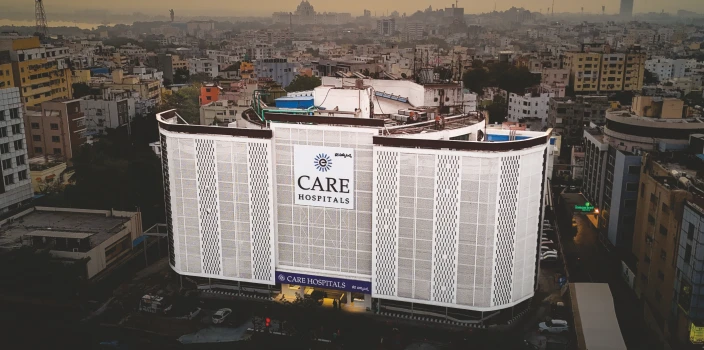
CARE Hospitals, Banjara Hills, Hyderabad
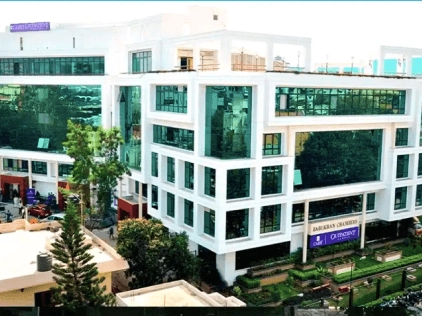
CARE Hospitals Outpatient Centre, Banjara Hills, Hyderabad
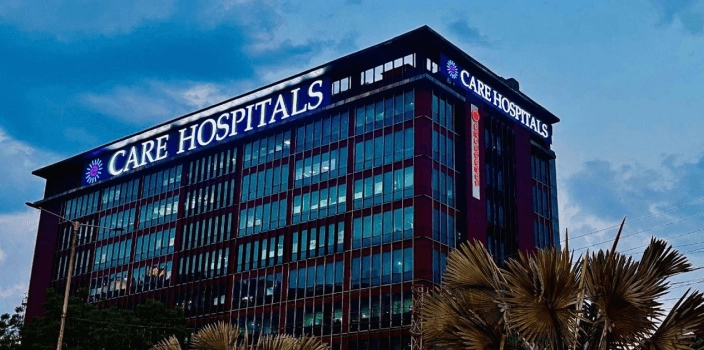
CARE Hospitals, HITEC City, Hyderabad

CARE Hospitals Outpatient Centre, HITEC City, Hyderabad
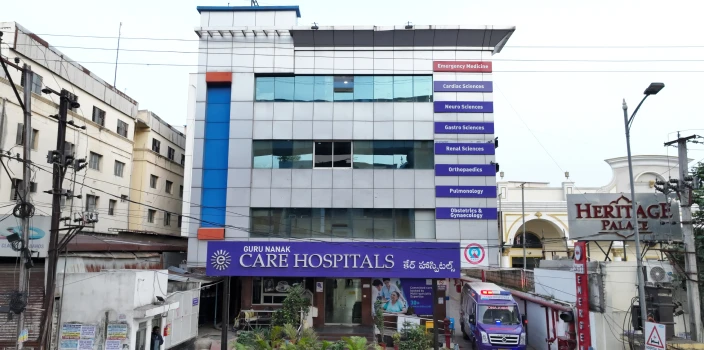
Gurunanak CARE Hospitals, Musheerabad, Hyderabad
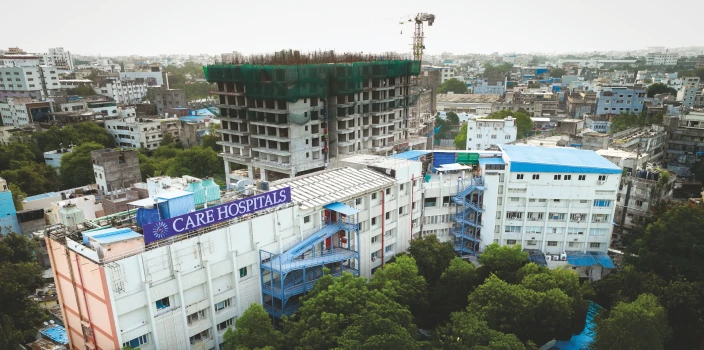
CARE Hospitals, Nampally, Hyderabad
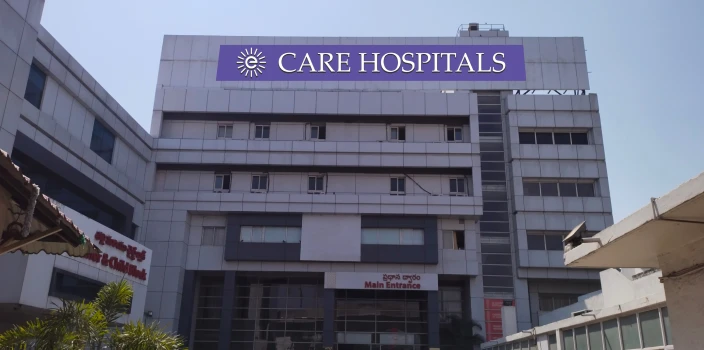
CARE Hospitals, Malakpet, Hyderabad

CARE Hospitals, Bhubaneswar
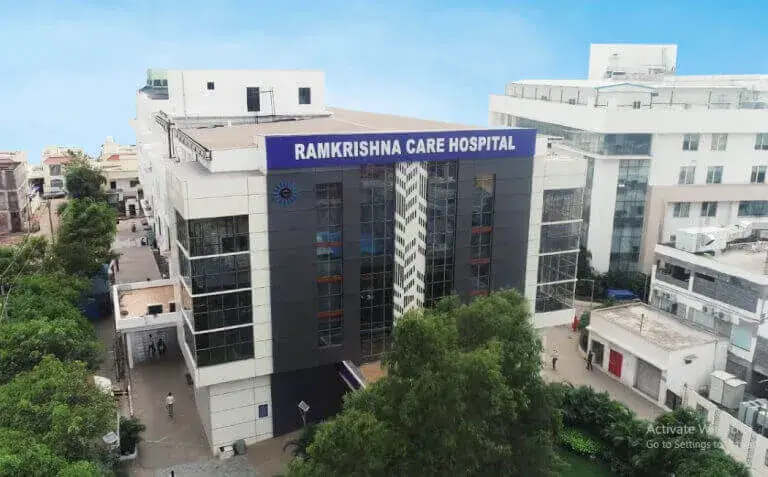
Ramkrishna CARE Hospitals, Raipur
CARE Hospitals, Ramnagar, Visakhapatnam
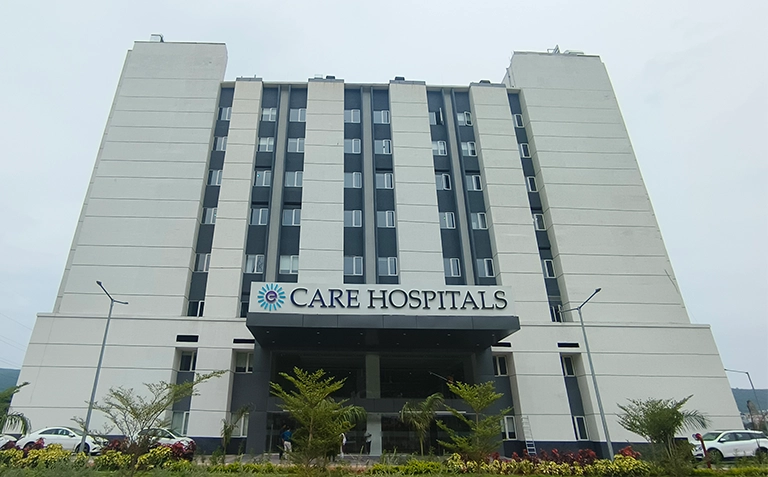
CARE Hospitals, Health City, Arilova
Frequently Asked Questions
Peripheral angioplasty opens narrowed arteries located outside the heart, specifically in the pelvis, legs, or arms. The surgeon inflates a tiny balloon inside the artery that pushes plaque against the walls and creates more space for blood flow.
The procedure causes minimal pain. You receive local anaesthesia to numb the area and medication that helps you relax. Some patients feel slight pressure as the catheter moves through blood vessels, but this sensation remains comfortable.
The procedure takes 30 minutes to 2 hours. Your case's complexity and the number of blockages determine the exact time needed.
Common complications are:
- Bleeding or bruising at the insertion site
- Blood clots
- Allergic reactions to contrast dye
- Infection
- Kidney issues
Patients return home the same day or after one night's observation. Full recovery takes 6 to 8 weeks, but you can walk within 6–8 hours after the procedure.
You should avoid eating for 6 to 8 hours before the procedure. Tell your doctor about all your medications, especially blood thinners. Let your healthcare team know about any allergies to medicines, contrast dye, or iodine.
The medical team will give you medicine to help you relax. Your surgeon will make a small puncture in your groin area to insert a thin catheter. Using X-ray imaging, they will guide the catheter to the blocked artery. A tiny balloon widens the narrowed artery to improve blood flow. Sometimes, your surgeon might place a stent to keep the artery open.
You should not eat anything for eight hours before surgery, though water is allowed. Your doctor might need to adjust your medications, especially when you have blood thinners. Make sure you arrive early to complete pre-procedure checks and paperwork.
Regular checkups will help track your recovery. Keep your stent identification card with you at all times. You must take prescribed blood thinners exactly as directed to prevent dangerous clots.
Call your doctor right away if you notice bleeding from the catheter site, sudden pain, signs of infection, or changes in your leg's colour.
You will spend several hours resting in a recovery area. The catheter site might feel sore or show bruising. Most patients return home the same day or after an overnight stay. Your activities should stay light for a few days. If your catheter was inserted through the groin, avoid heavy lifting and stair climbing at first. Most people get back to work within a week.
Still Have a Question?