
-
Centre of Excellence
Specialties
Treatments and Procedures
 HyderabadCARE Hospitals, Banjara Hills CARE Outpatient Centre, Banjara Hills CARE Hospitals, HITEC City CARE Hospitals, Nampally Gurunanak CARE Hospitals, Musheerabad CARE Hospitals Outpatient Centre, HITEC City CARE Hospitals, Malakpet
 Raipur
 Bhubaneswar
 Visakhapatnam
 Nagpur
 Indore
 Chh. Sambhajinagar
 Clinics & Medical Centers


-

-

-

-

-

-
Follow Us

Best Hospital for Carotid Endarterectomy Surgery in Hyderabad
- Advanced Technology
- Shorter Hospital Stay
- Pre & Post-Operative Care
- All Insurance Accepted

Chat With Our Experts
Get second opinion on Whatsapp
25 lakhs+
Happy Patients
Experienced and
skilled surgeons
17
Health Care Facilities
Top most Referral Centre
for Complex Surgeries
Advanced Carotid Endarterectomy Surgery
Carotid endarterectomy (CEA) is a key surgical intervention that lowers stroke risk in patients with cerebrovascular atherosclerotic disease. The surgery helps normalise blood flow to the brain.
Research shows patients with cerebrovascular atherosclerotic disease get remarkable benefits from this procedure. The benefits improve even more with early treatment. Only a few patients need treatment to prevent one stroke if surgery happens within two weeks of symptom onset. The procedure's safety record remains strong with lower complication rates.
This article explains the indications, preparation, procedure steps, and recovery of the endarterectomy procedure.
Why CARE Hospitals is Your Top Choice for Carotid Endarterectomy Surgery in Hyderabad
CARE Hospitals Hyderabad facilities deliver top-notch care to patients who need carotid endarterectomy. Here's what sets CARE Hospitals apart in Hyderabad:
- The hospital's vascular specialists & neurosurgeons have decades of surgical experience in carotid endarterectomy
- At our hospital, each patient gets personalised attention that starts from their first visit and continues through recovery
- The innovative diagnostic equipment helps doctors accurately assess carotid artery stenosis
Best Carotid Endarterectomy Surgery Doctors in India



State-of-the-art Surgical Advances at CARE Hospital
At CARE Hospitals our surgeons use both minimally invasive techniques and traditional carotid endarterectomy methods. Our operating rooms feature advanced monitoring systems that boost surgical precision and lower risks. The surgical teams stay current with the latest developments in vascular surgery through regular training.
Indications for Carotid Endarterectomy Surgery
Doctors recommend carotid endarterectomy when patients have:
- Severe carotid artery narrowing (usually 70% or more)
- Past mini-strokes (TIAs) linked to carotid disease
- Early stroke symptoms where brain function can recover
Types of Carotid Endarterectomy Surgery Procedures
CARE offers these surgical approaches:
- Conventional endarterectomy with patch closure
- Eversion carotid endarterectomy
- Selective shunting techniques based on patients' needs
The surgical team chooses the best procedure after considering the patient's condition, anatomy, and overall health.
Pre-surgery Preparation
The right preparation for carotid endarterectomy will give better outcomes and a smoother recovery:
- Patients need antiplatelet therapy before surgery unless their doctor says otherwise.
- Your medical team will run detailed imaging tests like carotid ultrasound, CT or MR angiography to check carotid artery blockage.
- Your doctor might adjust dosages of certain medicines or stop some medicines (like blood thinners) for a few days before surgery.
- You must fast for 6 to 8 hours before the surgery.
Carotid Endarterectomy Surgical Procedure
Surgeons use two main techniques:
- Classical Method: The surgeon makes a neck incision, removes plaque from the opened artery and repairs it with a patch.
- Eversion Method: The surgeon cuts the internal carotid artery at its origin, removes plaque and repairs the vessel with end-to-end anastomosis.
Sometimes during the endarterectomy, doctors might put in a short-term shunt (selective shunting technique). This helps keep blood flowing to the brain while they remove the plaque.
Post Surgery Recovery
Most patients stay in the hospital for 1 to 2 days after surgery. The healthcare team watches vital signs, neurological status and wound healing closely. Recovery includes:
- Keeping the neck incision clean and dry.
- Some people notice pain or mild swelling at the incision site (don't worry it will clear up in a few days).
- You can start light activities within a week but full healing takes several weeks.
- Avoid strenuous activities and heavy lifting for a few weeks.
Complications
The surgery is generally safe. But like other surgical procedures it carries some risks. These are:
- Stroke or TIA
- Heart attack
- Nerve injury affecting speech or swallowing
- Bleeding or hematoma
- Infection.
Benefits of Carotid Endarterectomy Surgery
The surgery reduces stroke risk by a lot as it improves blood flow to your brain. It stops recurring TIAs and gives lasting benefits when you follow proper aftercare.
Insurance Assistance for Carotid Endarterectomy Surgery
Many insurance providers give insurance coverage for carotid revascularisation if you have carotid stenosis. At CARE Hospitals a dedicated group helps patients navigate paperwork and get approvals. This makes the hospital stay and billing easier and less stressful for patients.
Second Opinion for Carotid Endarterectomy Surgery
Get another doctor's viewpoint if your case involves complex surgical situations or if you are unsure about your treatment options. At CARE Hospitals vascular and neuro experts take a close look at your medical records, symptoms, risk factors, and imaging results. The team also checks if surgery is the best way to go or if other options like improved medical treatment or carotid stenting might work better.
Conclusion
Carotid endarterectomy is a life saving procedure that helps patients who face stroke risks from blocked carotid arteries. This surgery works best when doctors perform it within two weeks after symptoms appear. The procedure is safe and effective, with very few complications for most patients. CARE Group Hospitals in Hyderabad has skilled vascular specialists & neurosurgeons and they house various innovations. Our teams work tirelessly for the betterment of the patients first and create plans that work best for them throughout the treatment. This procedure gives patients another chance at life by fixing blood flow to the brain and lowering stroke risk by a lot. CARE Hospital's surgical team will help guide you through each step as you start a journey to better vascular health.
Carotid Endarterectomy Surgery Hospitals in India
-
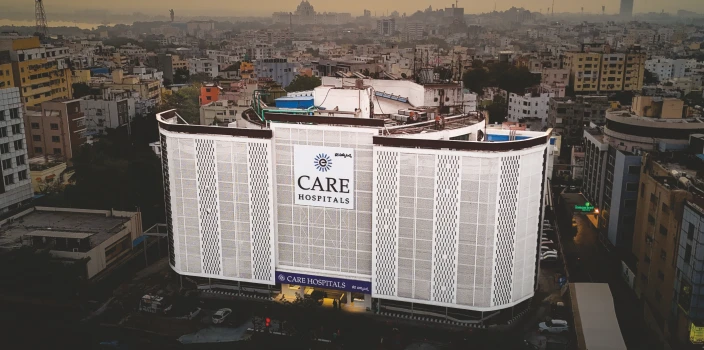
CARE Hospitals, Banjara Hills, Hyderabad
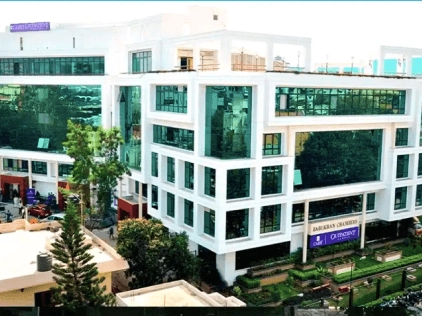
CARE Hospitals Outpatient Centre, Banjara Hills, Hyderabad
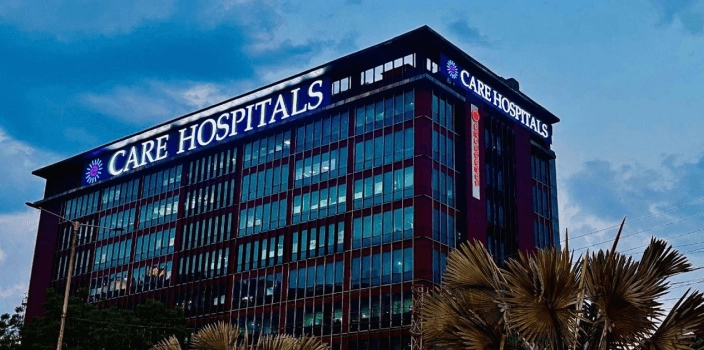
CARE Hospitals, HITEC City, Hyderabad

CARE Hospitals Outpatient Centre, HITEC City, Hyderabad
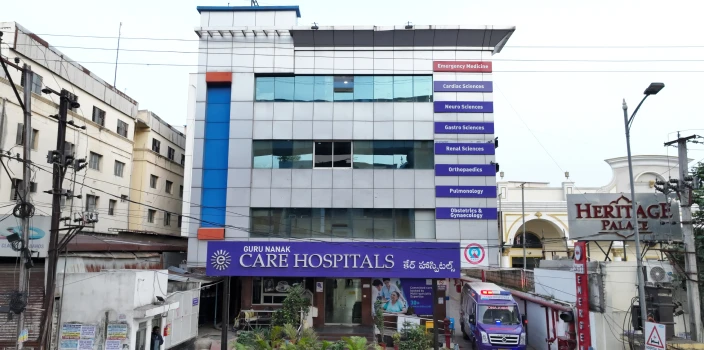
Gurunanak CARE Hospitals, Musheerabad, Hyderabad
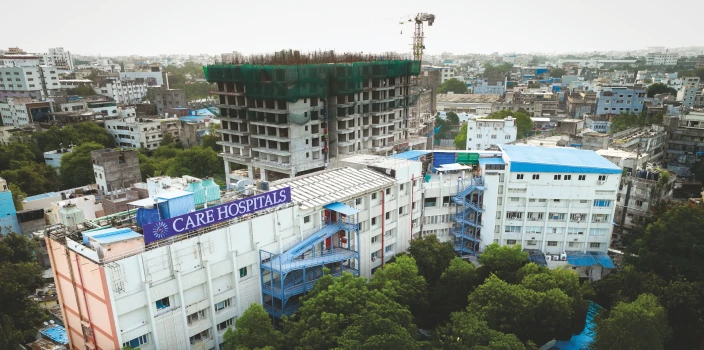
CARE Hospitals, Nampally, Hyderabad
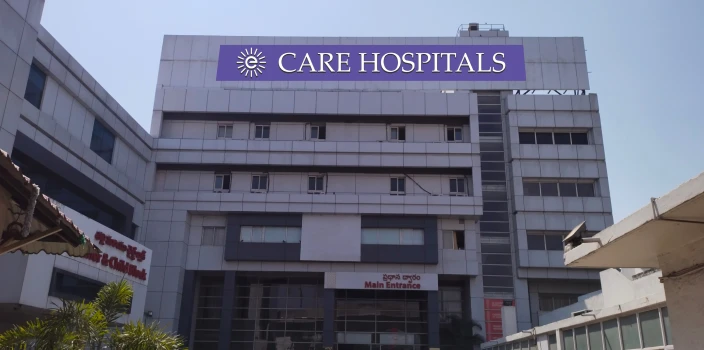
CARE Hospitals, Malakpet, Hyderabad

CARE Hospitals, Bhubaneswar
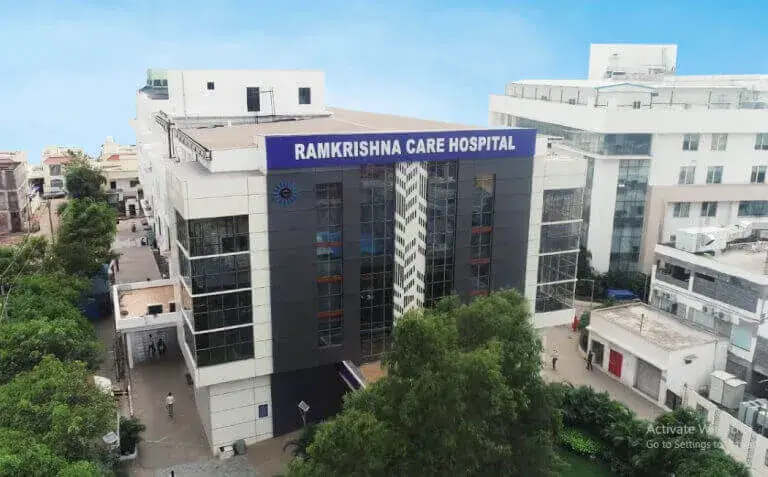
Ramkrishna CARE Hospitals, Raipur
CARE Hospitals, Ramnagar, Visakhapatnam
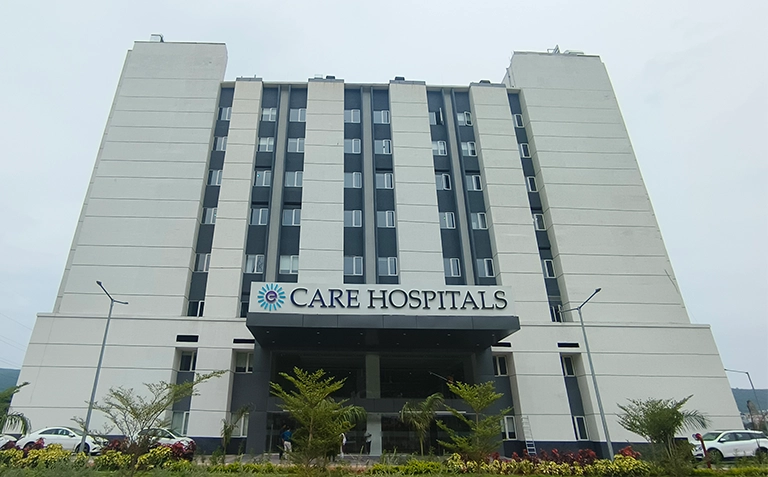
CARE Hospitals, Health City, Arilova
Frequently Asked Questions
A carotid endarterectomy removes plaque buildup from your neck's carotid arteries. The surgery restores normal blood flow to your brain, lowers stroke risk and enhances circulation. Your surgeon creates a neck incision, opens the affected artery, clears out fatty deposits, and closes it with stitches or a patch.
The surgery causes mild to moderate pain afterwards. Pain medications help manage any discomfort effectively. Your neck might feel sore for about a week. A temporary sore throat and swallowing difficulties might occur, but these symptoms usually go away within days.
The surgery lasts one to two hours. Your procedure time covers anaesthesia administration, the surgical work, and immediate recovery monitoring.
Common risks are:
- Stroke during or right after surgery
- Heart attack
- Nerve damage affecting speech, swallowing or shoulder movement
- Bleeding where the incision was made
- Infection
- The carotid artery might narrow again over time.
Recovery requires a hospital stay of 1-3 days. Most people return to work in 3-4 weeks. You can start light activities within a week and gradually resume your normal routine during recovery. Full healing takes several weeks.
Your preparation should include:
- No food or drink 6-12 hours before surgery
- Tell your doctor about all your medications
- You might need to stop blood thinners temporarily (aspirin usually continues)
- Make sure someone can drive you home after discharge.
Sitting is allowed, but avoid keeping your hips and knees bent too long since this position can cause swelling. Walking helps recovery significantly. Rest in a slightly slouched position that creates gentle body curves instead of sharp angles.
The surgery takes one to two hours. Your surgeon might use general anaesthesia that puts you to sleep or local anaesthesia that keeps you awake but comfortable. The surgical procedure involves a 4-inch cut in your neck. Your surgeon removes the plaque that blocks your artery and closes it with stitches. A patch often widens the artery.
Quitting smoking becomes essential since it delays healing. Your doctor will schedule you at a pre-admission clinic to review your medical history and run needed tests. The medical team needs to know about all your medications. You should plan your ride home after surgery and have someone ready to help you.
Your doctor needs to see you one month after surgery, then every six months for two years, followed by yearly visits. Ultrasound checks during these visits ensure your carotid artery stays clear. The good news is that most patients don't face blockages in the same artery again.
These foods need limited intake:
- Sodium-rich processed foods
- Saturated fats from red meat, dairy, and fried foods
- Trans fats.
Your diet should focus on fruits, vegetables, whole grains, and lean proteins.
Still Have a Question?