
-
Centre of Excellence
Specialties
Treatments and Procedures
 HyderabadCARE Hospitals, Banjara Hills CARE Outpatient Centre, Banjara Hills CARE Hospitals, HITEC City CARE Hospitals, Nampally Gurunanak CARE Hospitals, Musheerabad CARE Hospitals Outpatient Centre, HITEC City CARE Hospitals, Malakpet
 Raipur
 Bhubaneswar
 Visakhapatnam
 Nagpur
 Indore
 Chh. Sambhajinagar
 Clinics & Medical Centers


-

-

-

-

-

-
Follow Us

Best Hospital for Renal Angioplasty Surgery in Hyderabad
- Advanced Technology
- Shorter Hospital Stay
- Pre & Post-Operative Care
- All Insurance Accepted

Chat With Our Experts
Get second opinion on Whatsapp
25 lakhs+
Happy Patients
Experienced and
skilled surgeons
17
Health Care Facilities
Top most Referral Centre
for Complex Surgeries
Advanced Renal Angioplasty Surgery
Renal angioplasty provides a promising solution for patients who struggle with narrowed kidney arteries & persistent high blood pressure. Renovascular hypertension affects many people with high blood pressure. Medication alone often fails to manage this condition, which makes interventional procedures necessary for many patients. Renal ostial stenting remains the most common endovascular treatment for atherosclerotic renal artery stenosis.
This article explains the renal angioplasty process, its preparation steps, surgical techniques, what it all means, and expected recovery times.
Why CARE Hospitals is Your Top Choice for Renal Angioplasty Surgery in Hyderabad
CARE Group is one of the best centres for kidney care. They have excellent facilities for renal angioplasty in Hyderabad. Our specialists provide comprehensive diagnosis by experienced nephrologists who follow international standards. The team offers full support after treatment with regular blood tests and ultrasound monitoring. Your blood pressure is managed efficiently and recurrence of the condition is prevented with the help of nutrition plans designed by board-certified dieticians.
Best Renal Angioplasty Surgery Doctors in India













Innovative Surgical Techniques at CARE Hospitals
The hospital uses advanced technology for minimally invasive procedures. Our cutting edge surgical tools give our doctors the capabilities to treat complex conditions (while preserving healthy kidney tissue). CARE's trained staff follows international protocols that help patients recover faster with fewer post-surgery complications.
Indications for Renal Angioplasty Surgery
Renal artery angioplasty helps patients with:
- Resistant hypertension that doesn't respond to multiple medications
- Progressive kidney function decline
- Atherosclerotic renal artery stenosis
- Flash pulmonary oedema not linked to active ischemia
Types of Renal Angioplasty Surgery Procedures
Balloon angioplasty and stenting are the main procedures. Doctors insert a catheter with a balloon through the groin and guide it to the narrowed renal artery. The balloon then expands to widen the artery, and they may place a stent to keep it open. Some patients might benefit from renal artery bypass surgery as an alternative option.
Pre Surgery Preparation
A successful renal angioplasty requires several important preparatory steps:
- The surgical team will review your medical history and order necessary diagnostic tests. These include blood work and imaging studies to check your kidney function and artery narrowing
- Tell your physician about all medications you take, with special attention to blood thinners and blood pressure drugs
- You should fast for several hours before the procedure
- Make sure someone can drive you home
Renal Angioplasty Surgical Procedure
This minimally invasive procedure begins with your surgeon making a tiny incision near the groin to insert a catheter. They guide this catheter to your renal artery using real-time X-ray imaging. A balloon then inflates to widen the narrowed vessel. Many patients need a stent (mesh tube) to keep the artery open. The whole ordeal usually takes about an hour.
Post Surgery Recovery
You may need to stay at the hospital for several hours or overnight so that the team can keep a close watch on you. The medical team will track your vital signs and blood pressure closely. They might adjust your medicines before sending you home. You can usually return to your normal routine within 24 to 48 hours.
Risks
While relatively safe, this procedure has some risks. These include:
- Bruising near the insertion site
- Artery damage
- Blood clots
- Kidney failure
- Stent misplacement
Benefits of Renal Angioplasty Surgery
The procedure's most important advantages include lower blood pressure, fewer medications, better kidney function, and prevention of serious issues like kidney failure. The minimally invasive approach helps you recover faster than traditional surgery.
Insurance Assistance for Renal Angioplasty Surgery
Most insurance plans cover this procedure when it's medically needed. Our hospital's staff will help verify your insurance coverage, making the financial process smoother and more transparent.
Second Opinion for Renal Angioplasty Surgery
You should ask another specialist before moving forward. This helps you understand all available treatment options and set realistic expectations about outcomes. By combining knowledge from various fields, using cutting-edge testing methods, and focusing on each patient's needs CARE Hospitals plays a key part in giving trustworthy second opinions about Renal angioplasty.
Conclusion
Renal angioplasty gives new hope to people battling narrowed kidney arteries. The procedure helps thousands of patients take back control of their blood pressure and kidney function each year. Medical treatments always carry some risk, but this minimally invasive approach shows remarkable success rates.
CARE Group Hospitals' specialists provide complete support from the original diagnosis through recovery. Our team guides patients with post treatment care and dietary advice that makes the whole journey easier.
Better kidney health starts when you reach out to qualified doctors. Patients usually see improvements in their quality of life after treatment. You will have controlled blood pressure levels and your dependency on medicines also decrease. Modern medical advances have made renal angioplasty safer and more effective. The path to better kidney health might be closer than you imagine.
Renal Angioplasty Surgery Hospitals in India
-
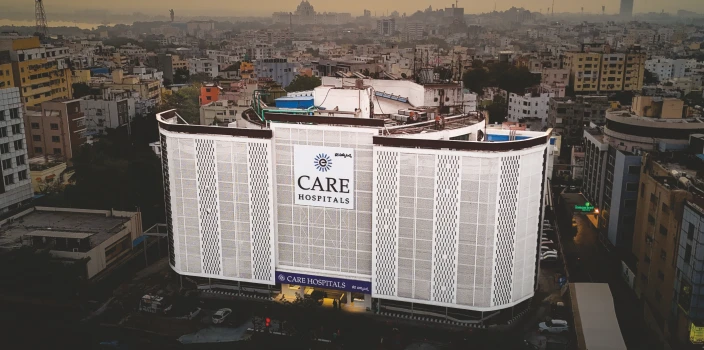
CARE Hospitals, Banjara Hills, Hyderabad
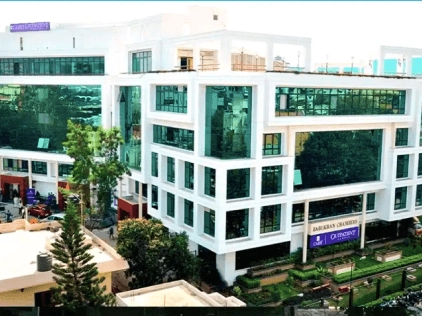
CARE Hospitals Outpatient Centre, Banjara Hills, Hyderabad
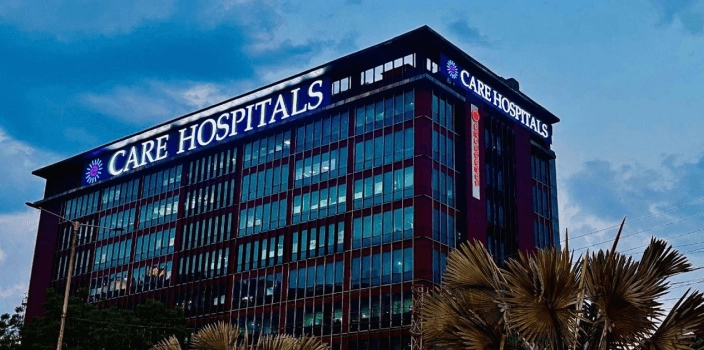
CARE Hospitals, HITEC City, Hyderabad

CARE Hospitals Outpatient Centre, HITEC City, Hyderabad
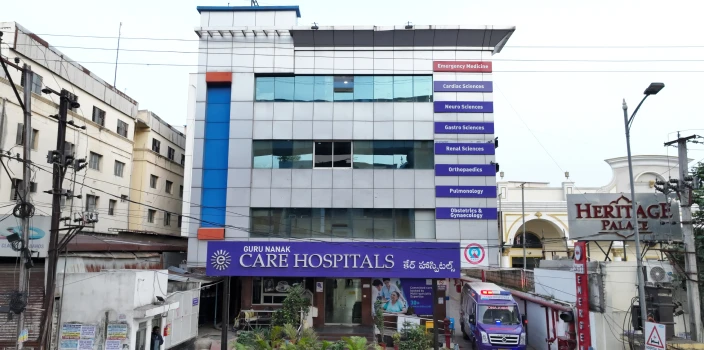
Gurunanak CARE Hospitals, Musheerabad, Hyderabad
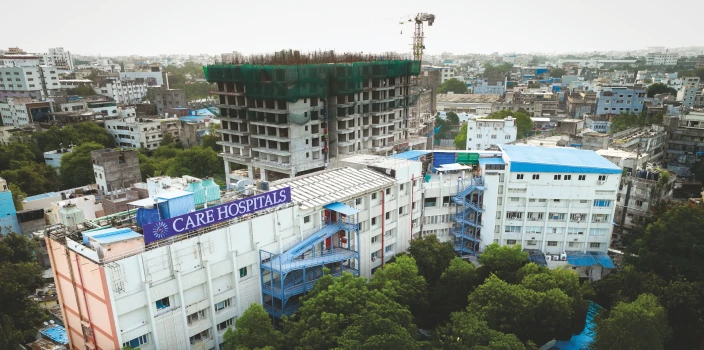
CARE Hospitals, Nampally, Hyderabad
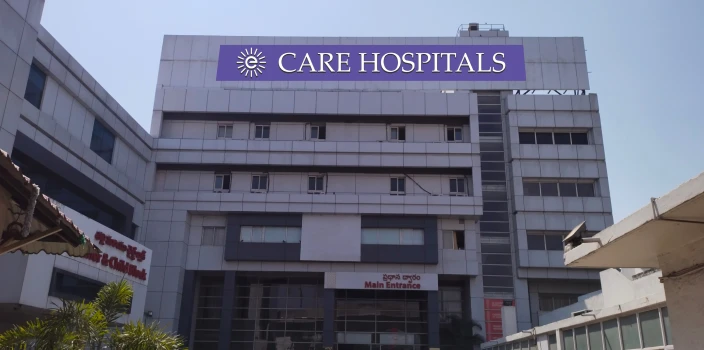
CARE Hospitals, Malakpet, Hyderabad

CARE Hospitals, Bhubaneswar
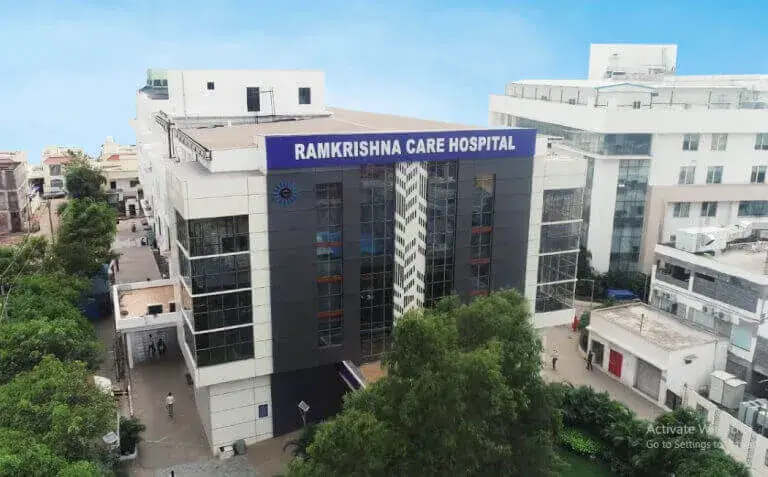
Ramkrishna CARE Hospitals, Raipur
CARE Hospitals, Ramnagar, Visakhapatnam

CARE Hospitals, Health City, Arilova
Frequently Asked Questions
Renal angioplasty opens narrowed kidney arteries to improve blood flow. A doctor inserts a thin plastic tube (catheter) through your groin's artery, and a balloon at its tip inflates to widen the narrowed section. The doctor often places a metal mesh tube called a stent to keep the artery open.
The procedure doesn't usually cause pain. You will get local anaesthetic and sedation to help you stay relaxed. You might feel some pressure in your groin and mild discomfort when the balloon inflates. Your medical team can give you extra pain relief if you need it.
The procedure usually takes 30 to 90 minutes, based on your case's complexity. You should plan to spend about one and a half hours in the X-ray department.
Common risks are:
- Bruising or bleeding at the insertion site
- Artery damage from the catheter or balloon
- Changes in kidney function due to contrast dye
- Infection at the injection site
- Blood clots that might block smaller vessels
Recovery happens quickly, and most patients return to normal activities within 24–48 hours. You will spend one night in the hospital for monitoring. Staff will check your vital signs and make sure the entry point isn't bleeding.
Tell your doctor about all medications, especially blood thinners. Your healthcare team will give you specific dietary instructions to follow. Remember to bring all your recent X-rays to the appointment.
You will lie on an X-ray table while monitors track your vital signs during this minimally invasive procedure. The medical team will give you sedation through an IV. This keeps you relaxed but aware enough to follow instructions. They will clean and numb the insertion area (usually it is your groin). The catheter insertion might cause some pressure but generally it is painless. When they inject the contrast dye there may be a brief warm feeling or metallic taste. Your back may feel temporary discomfort during balloon inflation.
Give your doctor a complete list of all medications and supplements you take. Your physician might need to adjust blood thinners and other medications before the procedure. You should not eat for about eight hours before the procedure. Make sure to arrange a ride home since you won't be able to drive. Tell the medical staff about any allergies you have to medications, contrast dye, or cleaning solutions.
Yes it is important to attend regular follow-up appointments. Your doctor will give you medications like aspirin or blood thinners that prevent clotting. They will check your kidney function and blood pressure at scheduled visits. Your ongoing care matters because new blockages can develop.
Nurses will monitor your vital signs and check for bleeding at the insertion site right after the procedure. The recovery requires you to lie flat for about six hours. Most patients go home the same day, though some stay overnight for observation. Make sure to drink plenty of fluids that help flush out the contrast dye. Contact your doctor right away if you notice fever, breathing problems, site discolouration, leg pain or new abdominal pain.
Still Have a Question?