
-
Centre of Excellence
Specialties
Treatments and Procedures
 HyderabadCARE Hospitals, Banjara Hills CARE Outpatient Centre, Banjara Hills CARE Hospitals, HITEC City CARE Hospitals, Nampally Gurunanak CARE Hospitals, Musheerabad CARE Hospitals Outpatient Centre, HITEC City CARE Hospitals, Malakpet
 Raipur
 Bhubaneswar
 Visakhapatnam
 Nagpur
 Indore
 Chh. Sambhajinagar
 Clinics & Medical Centers


-

-

-

-

-

-
Follow Us
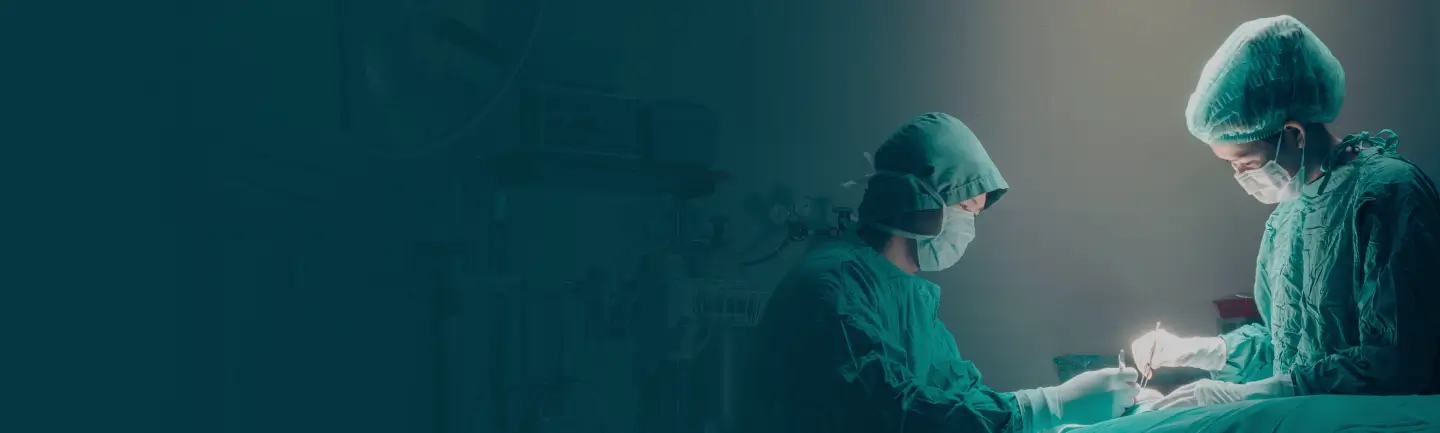
Best Hospital for Balloon Atrial Septostomy Surgery in Hyderabad
- Advanced Technology
- Shorter Hospital Stay
- Pre & Post-Operative Care
- All Insurance Accepted

Chat With Our Experts
Get second opinion on Whatsapp
25 lakhs+
Happy Patients
Experienced and
skilled surgeons
17
Health Care Facilities
Top most Referral Centre
for Complex Surgeries
Advanced Balloon Atrial Septostomy
Balloon atrial septostomy helps save newborns with serious heart defects by creating a vital passage between their heart chambers. This life saving cardiac procedure benefits babies with transposition of the great arteries (TGA), which affects lakhs of infants. These babies have a lower chance of surviving their first week without medications or this vital intervention.
The procedure widens a hole in the heart's wall with a balloon catheter to improve blood flow and oxygen delivery throughout the body. Clinical studies reveal remarkable outcomes - a substantial increase in oxygen levels after the operation. This approach proves valuable because it needs no thoracotomy or anaesthesia, yet creates a vital atrial septal defect that lets oxygenated blood reach the baby's system.
Parents facing this challenging diagnosis can find hope by understanding their options for balloon atrial septostomy. This article explains everything about the procedure from preparation to recovery. CARE Group Hospitals stands out as a trusted choice to perform this specialised treatment.
Why CARE Hospitals is Your Top Choice for Balloon Atrial Septostomy Surgery in Hyderabad
CARE Hospitals delivers world-class treatment for infants with cyanotic heart defects. Our experienced team performs this life-saving procedure with remarkable results. Our specialised multidisciplinary cardiac team includes paediatric interventional cardiologists, neonatologists and cardiac intensivists. Our specialists provide complete care from diagnosis through recovery to ensure the best outcomes for each patient.
Best Balloon Atrial Septostomy Doctors in India






Advanced Surgical Solutions at CARE Hospital
Our hospital uses both catheterisation laboratory procedures under fluoroscopic guidance and bedside procedures with transthoracic echocardiography for emergency cases. This adaptability helps us intervene quickly in life-threatening situations and reduces the time between diagnosis and treatment. CARE Hospitals provide advanced neonatal critical care support that ensures timely intervention in emergency situations.
Indications for Balloon Atrial Septostomy Surgery
This procedure helps infants with:
- Transposition of the great arteries
- Tricuspid or mitral atresia
- Total anomalous pulmonary venous drainage with restrictive ASD
- Hypoplastic left heart syndrome.
Types of Balloon Atrial Septostomy Surgery Procedures
Here are two main septostomy techniques:
- Rashkind Balloon Atrial Septostomy: Most common approach where a balloon catheter enlarges the foramen ovale
- Surgical Septostomy: Open-heart surgery that provides precise control over the size and location of the opening
These techniques create vital passageways for blood flow and help babies survive until definitive surgical repair becomes possible.
Pre Surgery Preparation
Medical teams provide specific instructions before the procedure. These are:
- Your surgeon will review your medical history and discuss potential risks.
- Your surgeon will instruct you that your baby must fast (no feeding) for at least 4 hours before surgery.
- The team collects a cross-match blood sample and starts intravenous fluids.
- Infants need two IV access points - one for prostaglandin and another for medications.
- A cardiac anaesthetist will help if the procedure takes place in the NICU.
Balloon Atrial Septostomy Procedure
The patient receives sedation or general anaesthesia first. A cardiologist makes a tiny incision in the groin or umbilicus to access blood vessels. They insert a catheter with a deflated balloon and guide it to the heart's right atrium. The balloon inflates once properly positioned in the left atrium. A quick pull back creates a larger opening between chambers. The whole procedure usually takes 30 to 60 minutes.
Post-surgery Recovery
Patients are moved to a recovery area where staff closely monitor vital signs. Your child receives pain medication when needed. A patient's hospital stay length depends on their recovery speed and physical activity level. The team continuously checks cardio-respiratory status, blood pressure and oxygen saturation. Most babies can breathe on their own once their respiratory status improves.
Risks
Patients might experience:
- Bleeding at catheter insertion sites
- Infections
- Arrhythmias
- Blood clots
- Cardiac perforation
- Neurological events (rare).
Benefits of Balloon Atrial Septostomy Surgery
Important benefits of this life saving cardiac procedure are:
- Improves blood oxygen levels.
- Reduces the undue strain on the heart.
- Provides quick stabilisation for critically ill newborns without open surgery.
Insurance Assistance for Balloon Atrial Septostomy Surgery
Most health insurance plans cover congenital cardiac procedures. You should check with your provider before scheduling surgery.
Second Opinion for Balloon Atrial Septostomy Surgery
Recent advances in heart treatments make second opinions valuable. Doctors encourage families to seek additional points of view. At CARE Hospitals our expert paediatric cardiologists talk to parents about their baby's heart problem. They explain the risks, benefits, and when to have treatment in simple words. This full review helps parents feel sure, clear, and calm before they make such a critical cardiac decision.
Conclusion
Balloon atrial septostomy gives babies born with severe heart defects a vital lifeline. This quick procedure improves oxygen levels and reduces heart strain without major surgery. Parents dealing with such difficult diagnoses can take comfort that this immediate solution exists while doctors plan their child's long-term treatment.
CARE Hospitals provides advanced catheterisation laboratories and bedside capabilities to perform this critical procedure. Their adaptable approach will give even the sickest newborns timely care.
The procedure ended up being more than just an intervention. It became a bridge that helps these tiny patients survive until permanent repairs become possible. Skilled medical teams and advanced techniques help countless babies thrive despite serious heart conditions. This life-saving procedure creates a simple but essential pathway that starts their path to recovery
Balloon Atrial Septostomy Hospitals in India
-
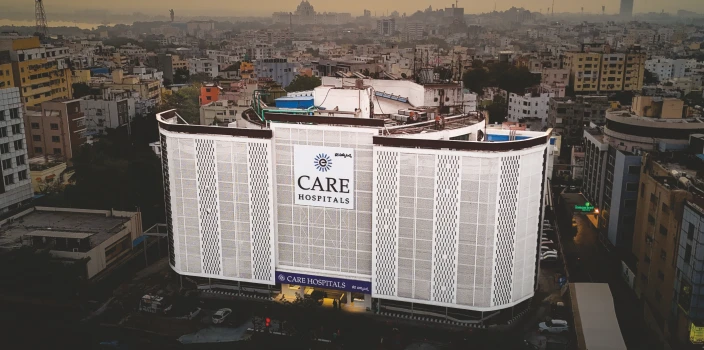
CARE Hospitals, Banjara Hills, Hyderabad
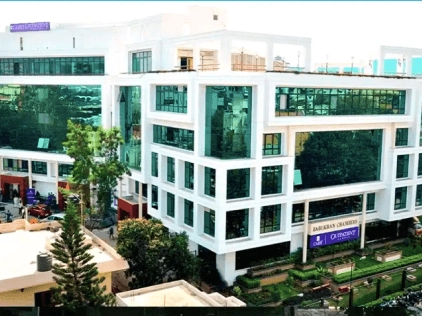
CARE Hospitals Outpatient Centre, Banjara Hills, Hyderabad

CARE Hospitals, HITEC City, Hyderabad

CARE Hospitals Outpatient Centre, HITEC City, Hyderabad

Gurunanak CARE Hospitals, Musheerabad, Hyderabad

CARE Hospitals, Nampally, Hyderabad
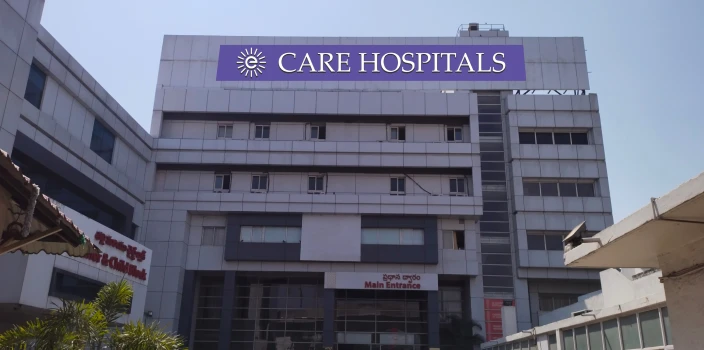
CARE Hospitals, Malakpet, Hyderabad

CARE Hospitals, Bhubaneswar
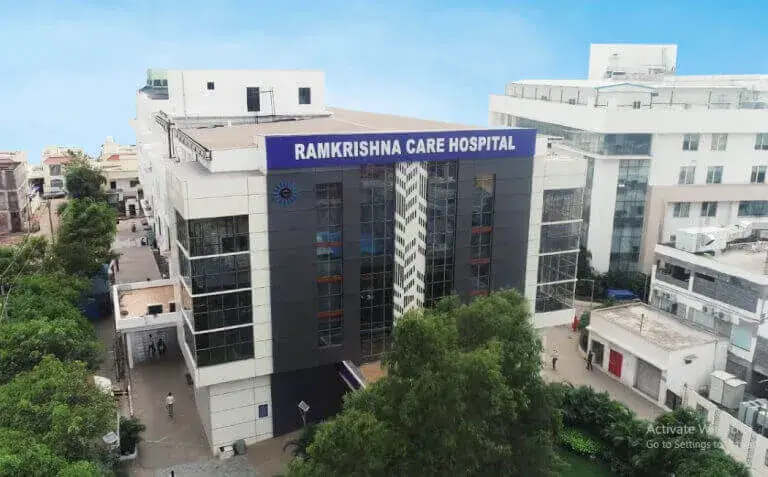
Ramkrishna CARE Hospitals, Raipur
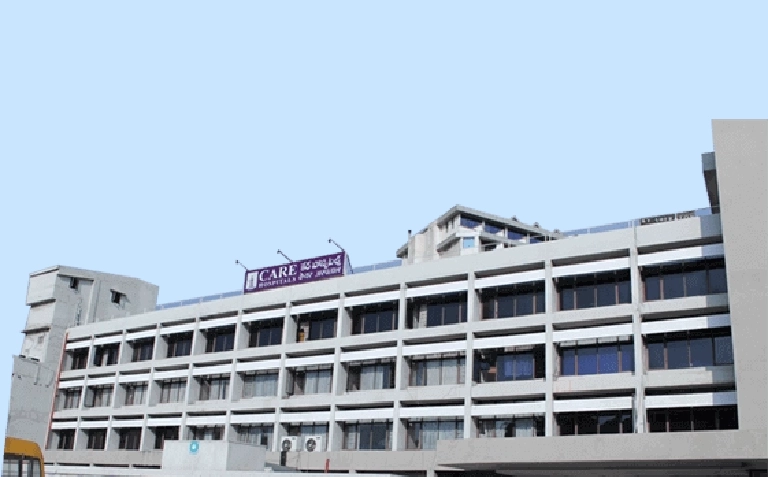
CARE Hospitals, Ramnagar, Visakhapatnam

CARE Hospitals, Health City, Arilova
Frequently Asked Questions
Balloon atrial septostomy creates or enlarges an opening between the heart's upper chambers (atria). This gentle procedure guides a catheter with a balloon through the blood vessels into the heart. The balloon inflates to widen the natural opening between atria. It allows oxygen-rich & oxygen-poor blood to mix. This improves oxygen supply throughout the baby's body which helps steady their condition until doctors can do corrective surgery.
Babies receive appropriate sedation or general anaesthesia during this procedure. They experience no pain during the operation. Doctors give pain medicine after the procedure as needed. The baby's discomfort stays minimal than open heart surgery because only a small catheter insertion point exists.
The whole procedure takes 30 to 60 minutes. The actual time depends on the patient's condition and case complexity.
The procedure is generally safe, but it carries some risks. These include:
- Bleeding at the catheter insertion site
- Infection
- Heart rhythm disturbances (arrhythmias)
- Blood clot formation
- Cardiac perforation.
Babies bounce back quickly after balloon septostomy. They stay in intensive care for close monitoring. Most babies stabilise within hours to days, based on their heart condition. Babies then move on to corrective surgery.
Preparation includes:
- Fasting beforehand (no feeding for newborns)
- Possibly stopping certain medications
- Undergoing assessment of overall health
- Having echocardiograms and electrocardiograms (ECGs).
Your child's doctor will give you specific instructions based on their unique situation.
Your child will receive medication to stay comfortable and pain-free during the procedure. Medical teams perform this procedure in a cardiac catheterisation lab or at the bedside in the NICU. The doctor inserts a thin tube with a balloon tip through a vein in your baby's groin or umbilical cord. Using imaging technology they guide this catheter to your baby's heart. After reaching the atrial opening the doctor inflates the balloon and pulls it back. This creates a larger opening between heart chambers. The team monitors your baby's oxygen levels throughout the procedure.
Before the procedure:
- Your doctor reviews your baby's medical history and discusses potential risks.
- No feeding at least 4 hours before surgery.
- The team may need blood tests.
- Your baby receives IV fluids.
Regular check-ups with your cardiologist play an important role. These visits help monitor your baby's progress and assess the septostomy's effectiveness. Since this procedure serves as a temporary solution, many babies need corrective heart surgery later.
The medical team closely monitors your baby's vital signs and oxygen levels after the procedure. Most babies show quick improvement in oxygen saturation. Doctors check the catheter site for any bleeding. Recovery happens quickly and many babies stabilise within hours to days.
Still Have a Question?